
The MGC homeowner & business guide / Interior painting
Touch Up the Paint or Repaint the Whole Wall: How to Decide
Decide whether a test patch or a full-wall repaint fits your goal.
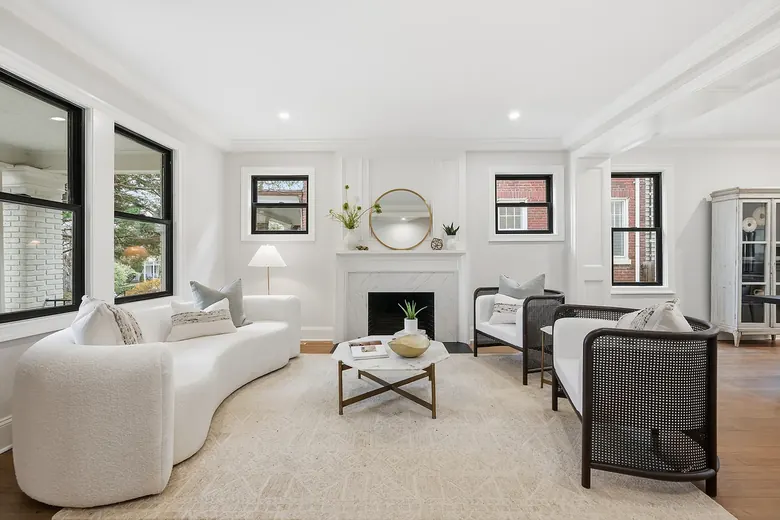
You move a picture, shift the sofa, or replace a wall hook and notice a mark. Repainting the whole room feels excessive. But a small dab of paint can sometimes draw more attention than the spot it was meant to cover.
A touch-up is worth considering when the affected area is small and the surrounding finish is in good condition. The harder question is whether new paint will blend with what is already on the wall. Color, sheen, texture, and the age of the finish all influence that decision.
First, find out whether the mark needs paint
If the surface is intact, try gentle cleaning suited to the existing paint before planning a touch-up. A mark left by furniture may come off without adding another coat. Benjamin Moore recommends cleaning scuffs as a first step in its touch-up guidance.
Let the area dry and look again. If the coating is missing or the wall is damaged, that is a different situation. Any needed preparation belongs in the plan before deciding how much to repaint. This article focuses on the paint match; the underlying repair should not be skipped to keep the painted area small.
Find more than the color name
An old can or receipt can be helpful. Gather the paint brand, product name, color, and sheen—not just a note that says “living room gray.” If usable paint remains from the original project, show it to your painter.
Matching color alone does not account for the way the surface reflects light. Texture matters as well: a brushed spot on a rolled wall may look different even when the paint color is right. Benjamin Moore identifies color, sheen, and surface texture as separate parts of a successful match. Its guide explains what to check.
If the original product is unavailable or you are considering a substitute, discuss a test before committing to touch-ups throughout the room.
A spot or a whole wall?
Treat an older finish as a new matching question
The label tells you what was applied originally. It does not guarantee that fresh paint will disappear into the wall today.
Older or faded coatings can be difficult to blend, and higher-sheen finishes can make differences more noticeable. BEHR discusses these limits in its comparison of touch-ups and repainting.
Look at the area in the room’s current lighting. If you have changed lamps or added lighting since the last repaint, assess the wall as you use it now. View it from the doorway and from your usual seating position, as well as closer up. The result needs to work in the room, not just in a tightly cropped photograph.
Let one test guide the next step
Before touching every mark, discuss a small test in an inconspicuous area. Use the proposed paint and an application method that reflects the original finish. Allow it to dry according to the product instructions before judging it.
Sherwin-Williams recommends testing in a hidden area and matching the original texture. It also notes that repainting the wall may be the better option when blending proves difficult. See its touch-up advice.
Check whether the test looks lighter, darker, shinier, or flatter than its surroundings. Decide whether that difference is acceptable to you before extending the work. Repeatedly enlarging a visible patch without reassessing the match can turn a small decision into a much larger one.
Keep more than the color name.
PAINT RECORD
A full wall does not automatically mean a full room
If the test remains obvious, ask about repainting the affected wall from corner to corner. That creates a clear boundary for the new finish instead of leaving a newly painted patch in the middle of an older surface.
Walk through those boundaries with your painter. A separate bedroom wall is straightforward to identify. A long wall running through a hallway and living area may require a broader discussion about where the paint will stop.
Also compare the proposed finish with adjoining walls. Repainting one wall avoids a spot repair within that wall, but it does not guarantee an exact match to every surrounding surface. If several walls show wear—or you want a color change—a room repaint may better fit your goal.
Choose the scope that fits your home
MGC Painting helps homeowners plan interior painting in Brookeville. We would be happy to discuss whether a touch-up trial or a broader repaint suits the areas you want refreshed.
Request a free estimate with photos of the marks and the full wall, your project location, and any original paint information you have. Include whether your priority is improving a few spots or achieving a consistent finish across the room.
Let’s discuss your project
Choose the scope that fits your home.
Tell us the surfaces, condition and timing you have in mind. MGC Painting would be happy to help you plan the next step.