
The MGC homeowner & business guide / Doors & trim
Painting Interior Doors and Trim: What to Include in the Project
Define the details, from door faces and casings to baseboards.
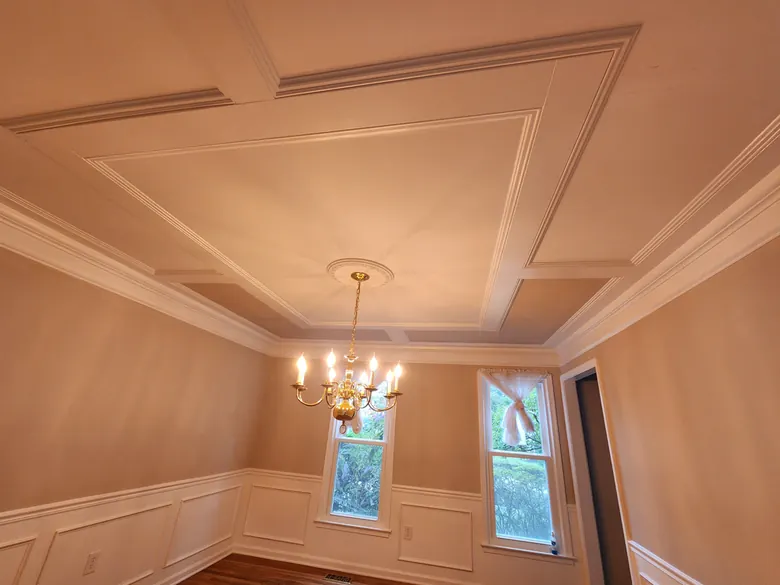
Walls set the color of a room, but doors and trim define its edges. A fresh wall color can make an older baseboard or worn door stand out in a way it did not before. Updating those details together can give a room a more consistent, finished appearance.
If you are planning door and trim painting in your home, start by deciding exactly what the project includes. Take a closer look at the surfaces, their condition, and the everyday use of each space.
Make a complete trim inventory
Start with the visible woodwork in each room: baseboards, door casings, window trim, and crown molding. Then look for details that are easy to miss, such as chair rails, picture-frame molding, stair trim, or a doorway connecting two different paint colors.
Use specific descriptions in the project scope. “Bedroom trim” could mean only the baseboards, or it could include every painted molding and window component in the room.
Window trim also needs a clear boundary. Confirm whether the work includes the casing around the opening, the sill, the apron beneath it, or other painted components. Moving window parts and factory-finished surfaces should be evaluated separately rather than automatically included.
Count doors by surface, not just by opening
A door has more than one visible face. Decide whether both sides will be painted and whether they will have the same color. A bedroom door, for example, may belong visually to a white hallway on one side and a colored room on the other.
Include closet, pantry, bathroom, and connecting doors in the walkthrough. Bifold doors, louvered doors, glazed doors, and paneled doors each have details that affect the preparation and painting involved.
Clarify the treatment of visible edges, frames, jambs, and stops. These are related surfaces, but they should not be left to assumption. If a door needs adjustment, has damaged material, or does not close correctly, discuss that condition before treating it as a straightforward repaint.
One doorway, several surfaces
Evaluate the existing finish
Look closely around handles, along lower door panels, and near baseboard corners. These areas can reveal fingerprints, chips, dents, or accumulated dirt that may be less noticeable from across the room.
Preparation should suit both the material and the coating already on it. Existing glossy paint may need to be dulled, and bare or repaired areas may require primer. Cleaning, smoothing, and removing preparation dust are part of creating a suitable surface for the selected coating.
Stained wood deserves a separate conversation. Changing stained doors or trim to a painted finish is a different project from repainting an existing painted surface. Ask the contractor to assess the wood, existing finish, and any risk of staining coming through before agreeing on the coating system.
Choose color and paint together
White trim can frame the walls clearly, but it is not the only option. Matching trim to the walls creates a quieter transition. A deeper door color can make an individual door a deliberate feature.
Compare samples beside the flooring, wall color, and any wood finishes that will remain. Look at the proposed door color from the hallway as well as from inside the room.
Discuss the actual paint product along with the sheen. Doors and trim benefit from a coating suited to their surfaces and use; choosing the same color as the walls does not automatically mean using the same paint. Confirm the product and finish in the project details so the intended appearance is clear.
Door shape changes the detail work
Agree on hardware and working arrangements
Decide how knobs, levers, hinges, hooks, and doorstops will be handled. Removing suitable hardware can improve access, but the method should be agreed upon before work begins.
If hardware is being replaced, have the new selection available early. Different backplates or fittings may expose marks that were hidden by the old pieces.
Also ask whether doors will remain hung or be removed during painting. Either arrangement affects how the household uses the space. Bedrooms and bathrooms may need a practical privacy plan, while a busy hallway may require coordination to keep people away from fresh paint.
Plan the return to everyday use
Drying between coats and returning a door to normal use are different considerations. Timing depends on the coating and conditions, and some paints continue developing hardness after they feel dry.
Ask when doors can close normally, when hardware can be reinstalled, and how soon painted trim can be cleaned. Follow the product-specific guidance provided for the project.
A detailed scope makes it easier to plan a coordinated result. MGC Painting | Milton General Contractors, Inc. offers interior painting services that include doors and trim for homes in Highland, Clarksville and Fulton. Request an estimate to discuss the surfaces you would like to refresh.
Let’s discuss your project
Bring the details into the plan.
Tell us the surfaces, condition and timing you have in mind. MGC Painting would be happy to help you plan the next step.