
The MGC homeowner & business guide / Interior painting
Painting Dark Walls a Lighter Color: What Changes in the Prep and Paint Plan
Plan the preparation, primer and coverage for a lighter wall color.
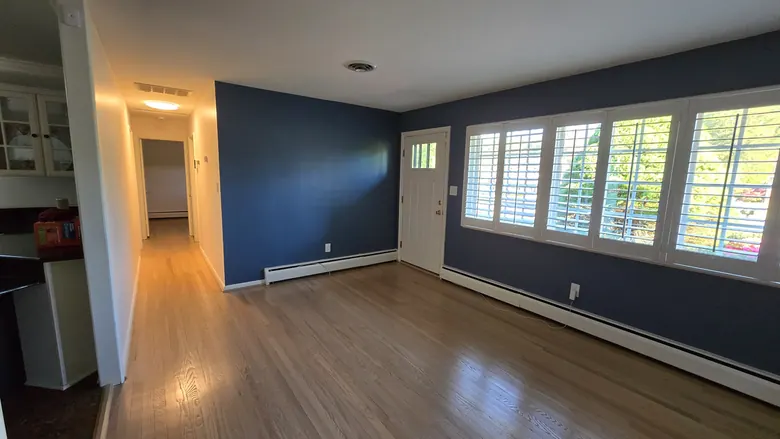
You liked the navy bedroom when you painted it. Now you want a softer blue, a warm white, or something that feels quieter beside your furniture. The change is possible, but painting over dark walls deserves a little planning before the new color goes on.
The old color is only one part of the job. The wall’s condition, the existing finish, the chosen primer, and the new paint all affect how the work should proceed. Here are the decisions that matter most.
Choose the lighter color in the room itself
Start with a few samples, not a decision based entirely on a phone screen. View them beside the trim, flooring, and furniture you plan to keep.
A movable sample board is useful because you can place the same color near a window, on the opposite wall, and beside a doorway. Check it during the day and with your normal evening lights. Benjamin Moore recommends movable sample boards as a way to compare colors under different lighting conditions. See its paint-sampling guidance.
This also helps you decide how far you want to take the change. Replacing a charcoal accent wall with pale gray is a different visual choice from repainting every wall white. Look at the room as a whole before settling on the final color.
Check the wall before discussing coverage
A dark wall might be smooth and sound, or it might have greasy marks, loose paint, old patches, and rough areas. Those conditions call for different preparation.
Look around light switches, behind furniture, and near previously mounted shelves. Tell your painter about any peeling, water marks, or repairs that have remained visible through earlier coats.
Cleaning, drying, and addressing rough or glossy areas help prepare the surface for the new coating. A sound wall does not automatically need the same work as a damaged one. Benjamin Moore’s preparation guidance recommends inspecting surfaces and responding to their actual condition. Read its wall-preparation advice.
For a home built before 1978, discuss possible lead paint before any sanding or other work that disturbs old coatings. EPA recommends a lead-safe certified contractor for these projects. EPA’s homeowner guidance explains what to ask.
Test the light color in the room
Give primer a specific job
Primer should be selected for the surface and the problem it needs to solve. A substantial color change, porous repairs, an adhesion concern, and a stain are different considerations.
For a dark-to-light repaint, discuss whether priming the full wall will provide a more suitable starting point for the new color. The primer’s shade should suit the chosen coating system; there is no single primer color that is correct for every repaint.
Sherwin-Williams identifies large color changes and porous surfaces among the causes of poor hiding. Its guidance includes using a suitable white or tinted primer and following the coating’s application instructions. See its advice on paint coverage.
Ask how complete coverage will be assessed
“How many coats?” is a sensible question. So is, “How will we know the old color is fully covered?”
The proposed paint system should be clear before work begins. Ask which primer and finish paint are included, how many finish coats are planned, and how any additional coverage needs would be handled.
Avoid treating every dark wall as an identical job. A lighter topcoat needs to conceal the previous color consistently across the wall, including brushed edges and rolled sections. Proper application and the required drying time between coats matter; stretching paint too thin can contribute to poor hiding. Sherwin-Williams’ coverage guidance addresses both application thickness and recoating.
A color change is a coating system
Decide where the new color will stop
Before painting starts, identify the boundaries: the full room, one accent wall, the stairwell, or adjoining spaces. Check the ceiling line, door openings, and trim as part of that decision.
If you are keeping the existing trim color, place your wall sample beside it. If you want the ceiling or trim repainted too, include those surfaces in the conversation from the beginning.
This is also a good time to point out details that are easy to overlook: the wall behind an open door, a short return beside a closet, or a dark strip above built-in shelving. Clear boundaries make the scope easier to understand.
Plan your room’s color change
MGC Painting offers interior painting in Glenelg and Glenwood, with preparation and drywall or plaster repairs included in the agreed scope. Whether you are lightening one room or changing several connected spaces, we would be happy to discuss the surfaces and the finish you have in mind.
Request a free estimate with your project location, the rooms involved, and photos showing the current wall colors. If you have chosen a lighter shade, include its name so we can discuss the change together.
Let’s discuss your project
Ready for a lighter color?
Tell us the surfaces, condition and timing you have in mind. MGC Painting would be happy to help you plan the next step.