
The MGC homeowner & business guide / Painting & flooring
Painting Before or After New Flooring: How to Plan the Order of Work
Coordinate the room, the finishes and the final touch-ups.
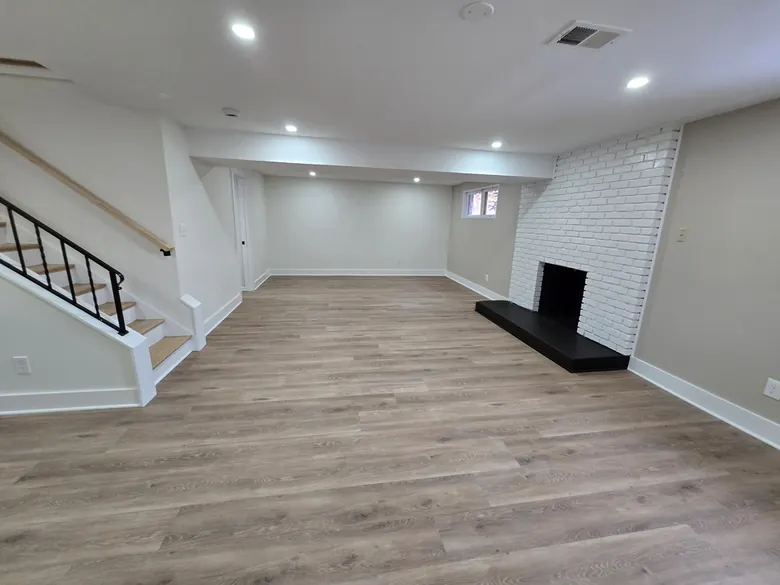
New paint and updated flooring can change the feel of a room together. They also raise a practical question: which should happen first?
There is no single sequence for every project. Hardwood refinishing involves different work from luxury vinyl plank installation, and removing baseboards creates different painting needs from leaving them in place. The useful starting point is to coordinate the whole room before either job begins.
Start with what is staying and what is changing
Walk through the space and list the work included. Are you repainting the ceiling, walls, doors, and trim? Does the drywall need repairs? Will the existing hardwood be sanded and refinished, or is new flooring being installed?
Also decide whether baseboards, shoe molding, and doorway transitions will be reused or replaced. Removing trim may reveal wall areas that need attention, so that decision belongs near the start of the plan.
Share the complete list with everyone involved. Booking painting and flooring separately without discussing their connection can leave gaps in the scope, including who handles the last round of touch-ups.
Plan major preparation before vulnerable finishes
Where practical, schedule substantial drywall repairs, wall sanding, and other work that could damage a finished floor before that floor is completed. This reduces the amount of disruptive work remaining around a new surface.
Painting first still requires preparation and protection. An existing floor that will remain needs care, and a floor receiving new material must be left suitable for installation. Paint drips and construction debris should not simply be covered by the new flooring.
The flooring product’s instructions matter. For example, Shaw’s SPC installation guidance places installation after other trades have finished work that could damage the floor. That supports planning disruptive work early, while leaving room for carefully coordinated finishing details.
Different floors. Different decisions.
Give hardwood refinishing its own sequence
Hardwood refinishing includes sanding and applying the selected finish. Discuss how that work will fit between wall preparation, painting, and any remaining trim work.
A plan might place major wall preparation and painting before floor refinishing, then allow for limited paint touch-ups afterward. Another project may need a different arrangement because of the room’s condition or the extent of repairs. Confirm the sequence after the surfaces have been reviewed.
The newly finished floor also needs time before later work can proceed. Being ready for some foot traffic does not necessarily mean it is ready for every kind of covering or use. Bona’s Traffic HD technical data sheet, for example, distinguishes walking on the floor from full cure and says to wait until full cure before replacing area rugs.
Use the directions for the finish actually selected, and agree when subsequent work and its proposed protection can begin.
Coordinate LVP installation with baseboards and trim
Luxury vinyl plank installation has a different set of finishing details. Ask whether baseboards will be removed, whether shoe molding will be added, and what will happen at doorways.
Some trim preparation or painting may be completed before installation. Reinstalled or new trim may still need filling and finishing afterward. The plan should identify those tasks instead of treating “floor installed” as the end of all work in the room.
Agree on who will complete the trim and any affected wall areas. Also confirm that the finishing work will follow the flooring manufacturer’s installation requirements.
The floor meets the finishing details.
← trimFlooring ↓
Make floor protection part of the plan
Before anyone returns with ladders, tools, or paint, confirm that the floor is ready and choose protection appropriate to its surface and finish.
Do not assume one covering or tape is suitable for every floor. Shaw’s SPC guidance warns against attaching protective materials directly to the flooring with tape. Newly refinished hardwood requires its own product-specific approach.
Fresh paint needs care as well. Benjamin Moore distinguishes dry paint from fully cured paint. Include instructions for moving furniture back and cleaning the new surfaces in the handoff.
Finish with one coordinated walkthrough
Before work starts, put the sequence, access arrangements, protection responsibilities, and final touch-ups in writing. At completion, review the room together and keep a record of paint colors, finishes, and flooring care instructions.
MGC Painting offers interior painting and surface preparation, alongside hardwood refinishing and LVP installation. For homes in Dayton and Cooksville, we would be happy to discuss your walls and floors together. Contact MGC Painting to request a free estimate and review the next steps for your room.
Let’s discuss your project
Plan the walls and floors together.
Tell us the surfaces, condition and timing you have in mind. MGC Painting would be happy to help you plan the next step.